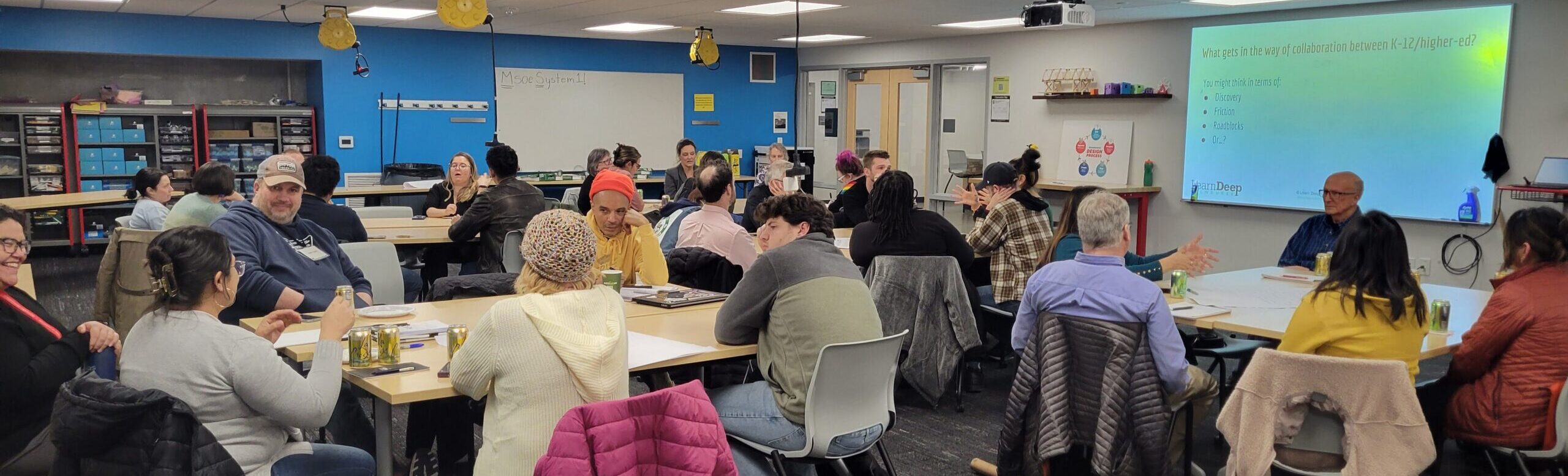
Last week’s Collab Lab brought together the folks who coordinate and support experiential learning at UWM, Marquette, MSOE, MIAD, and MATC together for a discussion focused on how we might connect experiential learning opportunities in higher-ed to those in K-12 with benefits to all sides.
Goals
We began the discussion but asking what we hope experiential learning can offer to students as well as educators, in higher-ed, or within K-12. While the group called out a few direct impacts– public service, skill development, exposure to new environments, the opportunity to make connections to material presented in the classroom, it was what might happen that seemed to offer a greater spark. The greatest value in experiential learning may come from the unanticipated impact, a passion is ignited in a student that sends them on an unforeseen journey, they gain insight into and empathy for the lives of others, they feel empowered to set a course for their own lives.
More goals came out, even as the discussion moved on, in particular, that experiential learning opportunities could help pave a path of success, a livable wage, and meaningful work.
Capabilities
Our next point of discussion focused on the capabilities and opportunities that higher-ed and K-12 can bring to support experiential learning. It’s a long list.
Context
- Sense of belonging
- Uniqueness of experience
- Opportunity to explore cultural interests
- Opportunity to co-develop learning experiences with educator, student, mentor, partner
Resources/Facilities
- Network connections
- mentors
- community resources
- business/industry partners
- Alumni
- Career information
- K-12 educators within Museums
- Offices of community engagement within higher-ed
- Models of successful programs
- MKE Roots
- Labs/equipment not available in K-12 schools
Structure/Process
- Opportunities to connect to community and employment
- Best practices:
- Self reflection
- use of artifacts as evidence of learning
- intake models to assess knowledge and skills
- assessment models
- Dual Enrollment
- MPS Learning Journeys program
- Service learning programs/requirements
- Credential stacking
- Internships
- Diversity funds
- Centers to connect college students with businesses
- MIAD Innovation Center
- UWM Center for Student Experience & Talent
- MSOE Create Institute
As participants talked through this point, they also made note of what they would like to see put in place to support experiential learning, including:
- Having a passionate advocate or champion for a project in the community that can draw the attention and support of those who might create experiential learning opportunities to further the work.
- Look for ways to get employers involved, build relationships that that can lead to internship and employment opportunities.
- Look for what is in place already that can be brought to K-12
- Take time to find where the gaps are and work to address them
- Make the work intentional– ask those you are working for what they want and need
- Create opportunities within these experiences to learn bout careers
- Build and extend relationships
- Localization of education/jobs & pathways
What gets in the way
While the capabilities and possibilities are many, there are always barriers.
Discovery
The ability to:
- find the right partners, where collaboration is mutually beneficial and builds value for both sides
- see the value in partnership with K-12, particularly for industry partners
- be aware of possibilities
Friction
- Fatigue on teachers, companies, nonprofits to take on new work or engage for the duration
- Staff turnover
- Time required for planning vs doing
- Culture of institutions to deal with disruptive rather than incremental change
- Training required for partners and mentors
- Development level of students matched to opportunity for growth
- social emotional skills
- soft skills
- Pressures for academic success
- Institutional gatekeeping of knowledge and relationships
- Transportation for students
- Misalignment of academic calendars
- Misalignment of K-12 hours with availability of college students
- Lack of training for community partners to collaborate effectively with students
- Process and paperwork
- background checks
- Focus on test results/scores/metrics
- Long time horizons and relationships needed to make progress
- Demographic/generational chasms
Roadblocks
- Priorities of institution or district
- Schools’ idea of their role and work, and the role of the educator limits ideas and new approaches
- Structure of school system for faculty to build relationships with the community/time to engage higher-ed, companies, local business.
- Lack of capacity
- staff,
- time,
- money
- Lack of courage to try/mind set & culture
- Lack of systems for K-12/Higher-ed collaboration within smaller firms/organizations
- Ability to get management buy-in
- Misalignment of investment in capital rather than talent pipeline
- Curriculum does not allow space
- Budget constraints/pressures
- Inflexible structures
- Both levels are under attack in terms of
- money
- content
- freedoms
- how to deal with AI
- Lack of trust
- Inadequate infrastructure to support collaboration with minimal friction
- Institutional rigidity/inability to adapt to change
Opportunities
Never wanting to end on a note of despair, we wrapped up the discussion by asking each table to pick a single issue and offer a suggestion for how it might be addressed. Bonus points for identifying an action someone could take this week to get things moving.
Group 1
Issue: Getting the opportunity just to explore and and experience
Change needed: Stepping of of the rigidity to embrace things that are invaluable, but de-valued
Goals: Let students just be and explore without concern that there is a specific standard to be met
Who needs to be involved: Sandra @ Greenfield has the freedom and transportation to get a group of students off campus; Students have a portfolio project to do as a graduation requirement; Marisa Riepenhoff from the Milwaukee Art Museum can offer a MAM behind the scenes program for Sandra’s students
Where to start: An email to set it up! [5 bonus points awarded]
Group 2
Issue: Within K-12, a lack of curiosity (play, passion, exploration) that links to career (purpose, exploration, thrivable way, stacked credentials, mentorship)
Change needed: Fun & engaging educators, identify opportunities for play within industry, classroom is everywhere, instructor is everyone teachers are evaluated on the hope & joy youth/students experience not just standardized testing.
Goals: Get everyone on the same page with a mission purpose, culture to increase hope and joy
Who needs to be involved: classroom and community, industry (professionals & mentors); youth decision making & expression; evaluators, practitioners, administrators
Where to start: Case study: Strengthen relationship between classroom & community; inject curiosity into early education, insert purpose & joy within shadowing, apprenticeships, hands on learning.
Group 3
Issue: Transportation for entry points– students & corporate partners.
Change needed: Bring the outside in– for the right age group
Goals: Authentic experiences
Who needs to be involved: Mentors, students, corporate partners
Where to start: Virtual options/ride sharing
Group 4
Issue: The system itself
Change needed: break the tradition
Goals: Stronger collaboration
Who needs to be involved: A risk taker/change agent
Where to start: Show up and Follow up!
Group 5
Issue: How to educate the community on the value of project based learning
Change needed: Greater appreciation for the value of project based learning
Goal: Hit enrollment target for Action Research Charter School
Who needs to be involved: Respected voices who can speak to the value of PBL: business community, higher ed, PBL alum
Where to start: Reach out to the school/alum
Thanks
A big thanks to the MSOE STEM Center for hosting us, and to all of our featured participants:
Natalie Villegas — Director, MSOE’s CREATE Institute
Kelsey Otero — Sr. Director of Community Engagement, Marquette University
Kristin Steinbach Holtz — Experiential Learning Manager, MIAD
Josephine Gómez — Dean of Community Education & Strategic Engagement, MATC
Ben Trager — Director of Community Engagement and Experiential Learning, UWM’s Center for Student Experience & Talent
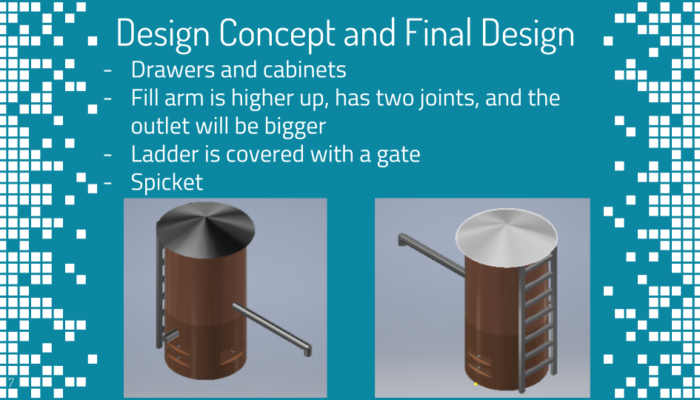
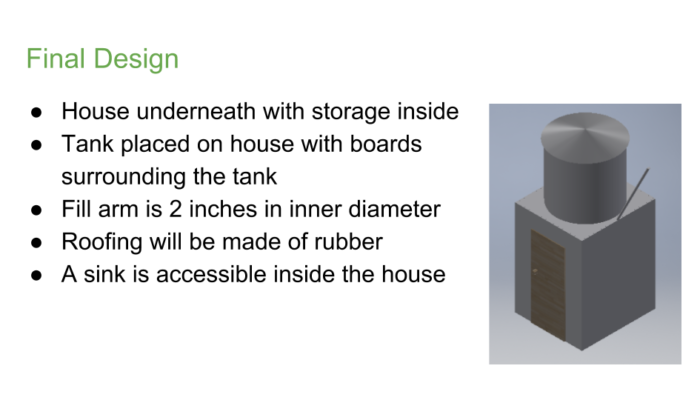
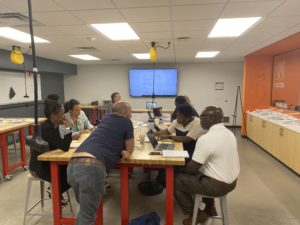 The STEM Studio sessions for our Learn Deep Fellows kicked off today at MSOE. Over this week and next our Fellows will work together with input and support from community partners to design of real-word challenges focused on water. Today’s work began with a focus on goals Fellows have for the program. Through repeated cycles of asking “Why?” we saw those goals grow from tactical hopes for the skills students or teachers might development to visions our Fellows have for their students — that they can see themselves as creators, citizens, individuals who can make a difference in their community. We’ll use those much loftier goals drive the vision for projects knowing that we can hit the initial, tactical ambitions along the way.